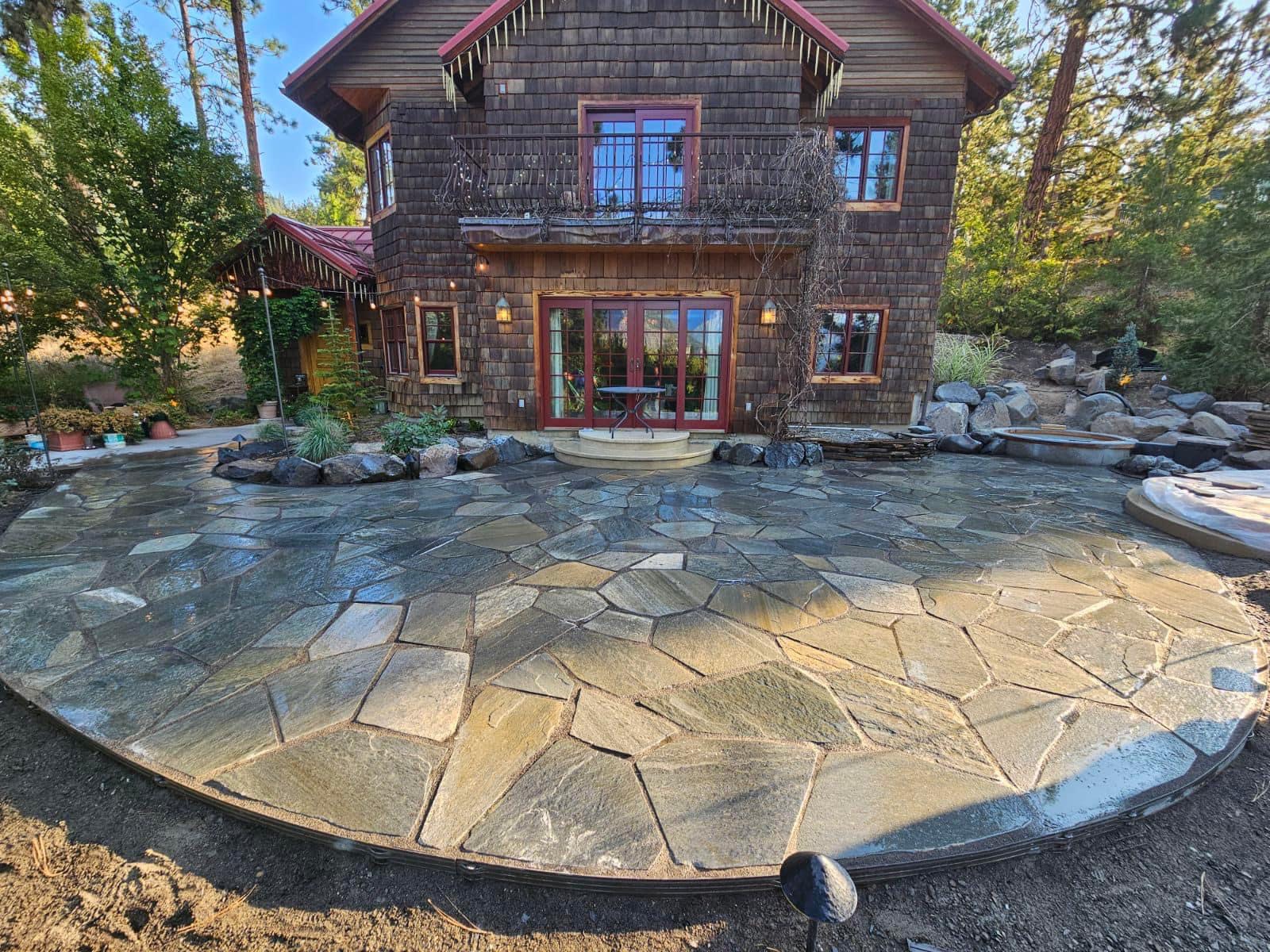
Wildlife Wonders: Designing Gardens That Attract and Support Local Fauna Sep 13, 2026
Creating a wildlife-friendly garden begins with understanding the needs of the creatures you want to attract. Birds, butterflies, bees, and small mammals are common visitors to these havens. To cater to their needs, it’s essential to focus on native plants. Native flora is crucial as it has evolved alongside local wildlife, offering the best nutritional and shelter benefits. Moreover, native plants require less maintenance, as they are naturally adapted to local soil types and climate conditions. Outdoor Assassins LLC recommends integrating a variety of trees, shrubs, and flowering plants to provide diverse habitats.
Water features, whether a small bubbling fountain or a larger pond, act as magnets for wildlife. Birds, amphibians, and even insects are drawn to water for drinking and bathing. Adding a clean and accessible water source can significantly increase the diversity of animals visiting your garden. Consider incorporating a water feature with varying depths and perching sites to accommodate different wildlife species. Regular maintenance is essential for keeping the water fresh and the surroundings clean, ensuring a healthy environment for your visitors.
Shelter is as vital as food and water in wildlife gardens. Landscape designs should include elements like dense shrubs, rock piles, or even strategically placed logs that offer protection and nesting opportunities. Many animals seek places to hide from predators or harsh weather, and by providing these, you increase the chance of them taking up residence. Incorporating layers of vegetation from ground covers to canopy trees can create a more appealing habitat for a larger variety of species.
For those looking to attract specific wildlife, understanding their particular needs can further enhance the garden's appeal. For instance, planting milkweed and sunflowers can attract butterflies, while berry-producing shrubs such as holly or elderberry are excellent for drawing birds. Bees, crucial pollinators in any ecosystem, prefer a spectrum of flowering plants that offer nectar and pollen throughout the growing season.
It’s crucial to avoid using chemical pesticides and fertilizers that can harm the very wildlife you aim to attract. Instead, opt for natural gardening practices like composting, mulching, and using organic pest control methods. These not only protect wildlife but also improve the garden's health and sustainability.
Creating a wildlife-friendly garden is an ongoing process that evolves with the seasons. Patience and observation are key. Notice which plants thrive and attract visitors, and be willing to adjust your choices as needed. Engaging with a professional service like Outdoor Assassins LLC can help refine your approach, ensuring that your garden is both beautiful and beneficial to local fauna.
As you embark on this rewarding journey, remember that every garden, regardless of size, can play a pivotal role in supporting local wildlife. By making thoughtful design choices, you create a space that not only delights the senses but also sustains the natural world around you. Embrace the wonders of wildlife gardening, and enjoy the dynamic ecosystem you call home.
/filters:no_upscale()/filters:format(webp)/media/88c96035-b691-415b-b436-10a7f56283a5.jpeg)