The Green Revolution: Embracing Eco-Friendly Landscaping for a Better Tomorrow Apr 21, 2026
Eco-friendly landscaping, often referred to as sustainable or green landscaping, focuses on designing and maintaining gardens and outdoor spaces in ways that are environmentally responsible. This approach not only conserves resources but also supports local ecosystems, fosters biodiversity, and reduces harmful emissions. By embracing these practices, homeowners and businesses can enjoy lush, beautiful landscapes while contributing to the planet's health.
One of the core principles of sustainable landscaping is the efficient use of water. Traditional landscapes often require significant irrigation, leading to excessive water consumption. Eco-friendly landscaping, however, employs techniques like xeriscaping, which uses drought-resistant plants that require minimal watering. Additionally, implementing rain gardens helps to naturally manage stormwater runoff, reducing the strain on sewage systems and improving water quality.
Another critical aspect is the choice of plants. Native plants are a staple of eco-friendly landscaping because they are adapted to the local environment. These plants require less water, fertilizers, and pesticides, which reduces chemical runoff and promotes a healthier ecosystem. In addition to benefiting the environment, native gardens provide a habitat for local wildlife, including pollinators such as bees and butterflies, which are essential for a thriving ecosystem.
Soil health is also a key focus of green landscaping. Healthy soil is the foundation of a successful garden, supporting plant growth while sequestering carbon and improving water retention. Utilizing organic mulch and compost enriches the soil and fosters beneficial microbial activity. This not only enhances the growth of plants but also reduces the need for chemical fertilizers, further minimizing environmental impact.
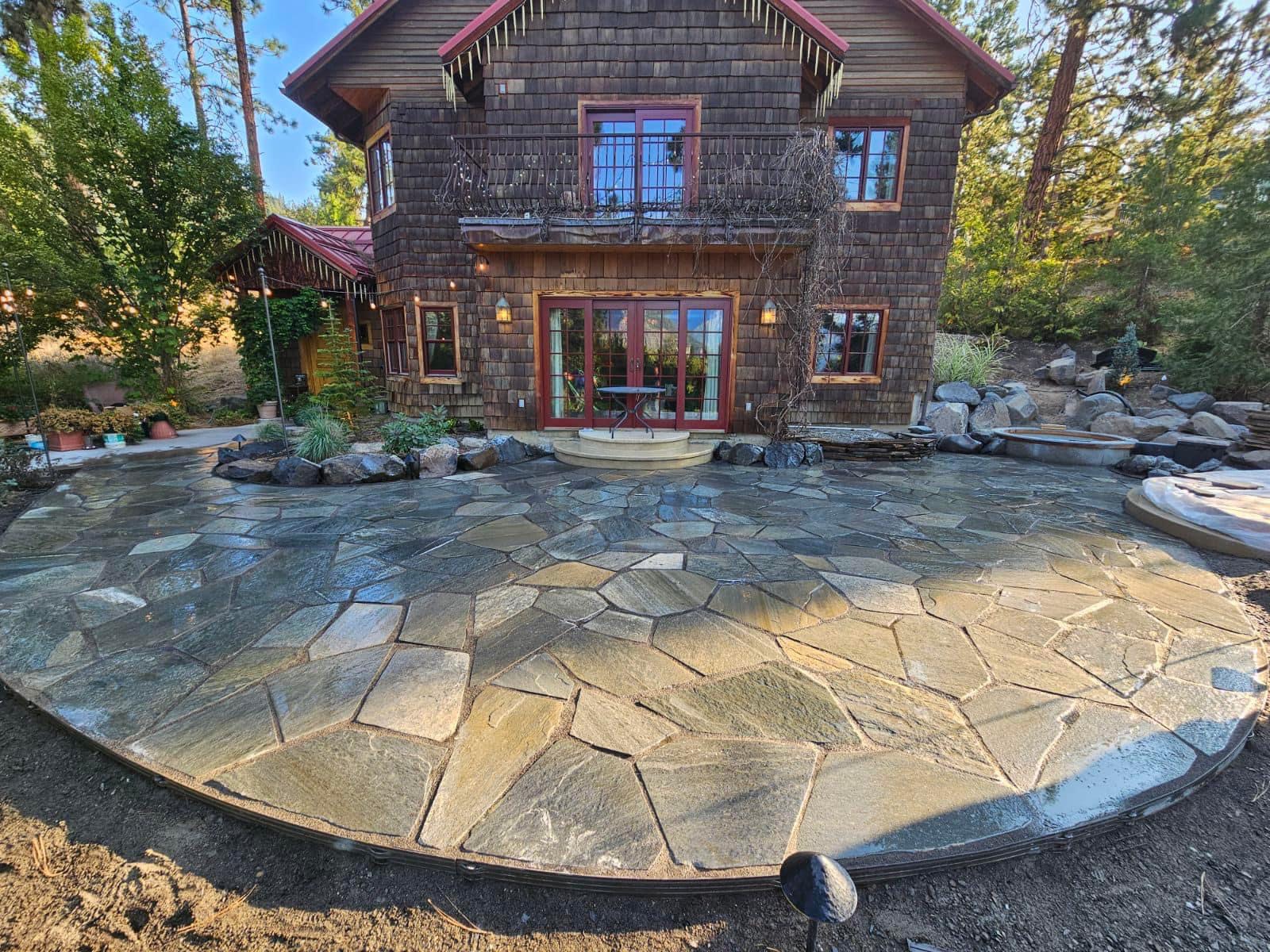
Incorporating sustainable materials is another effective strategy. Traditional landscaping materials can be sourced far from the site, requiring significant fossil fuels for transportation. Choosing locally-sourced, recycled, or reclaimed materials can dramatically lower a project’s carbon footprint. For instance, using permeable paving materials can reduce stormwater runoff and promote groundwater recharge, a vital process for maintaining a healthy water table.
For individuals looking to transition to eco-friendly landscaping, starting small can make a big difference. Begin by replacing a portion of your lawn with native plants or installing a rain barrel to collect water for irrigation. Even small changes can lead to significant environmental benefits over time.
At Outdoor Assassins LLC, we are passionate about transforming outdoor spaces into sustainable havens. Our team of experts is dedicated to designing and maintaining landscapes that not only meet your aesthetic desires but also support environmental health. Through proper planning and execution, your outdoor area can become part of the green revolution, helping to secure a better tomorrow for future generations.
In conclusion, embracing eco-friendly landscaping is more than just a trend; it’s an essential move towards sustainability and environmental stewardship. By redefining how we interact with our outdoor spaces, we can create lush, sustainable environments that benefit both humans and nature. Partner with Outdoor Assassins LLC to lead the green revolution and make a lasting positive impact on our planet.
/filters:no_upscale()/filters:format(webp)/media/88c96035-b691-415b-b436-10a7f56283a5.jpeg)