Pathways to Perfection: Designing Elegant and Practical Outdoor Walkways Jul 11, 2026
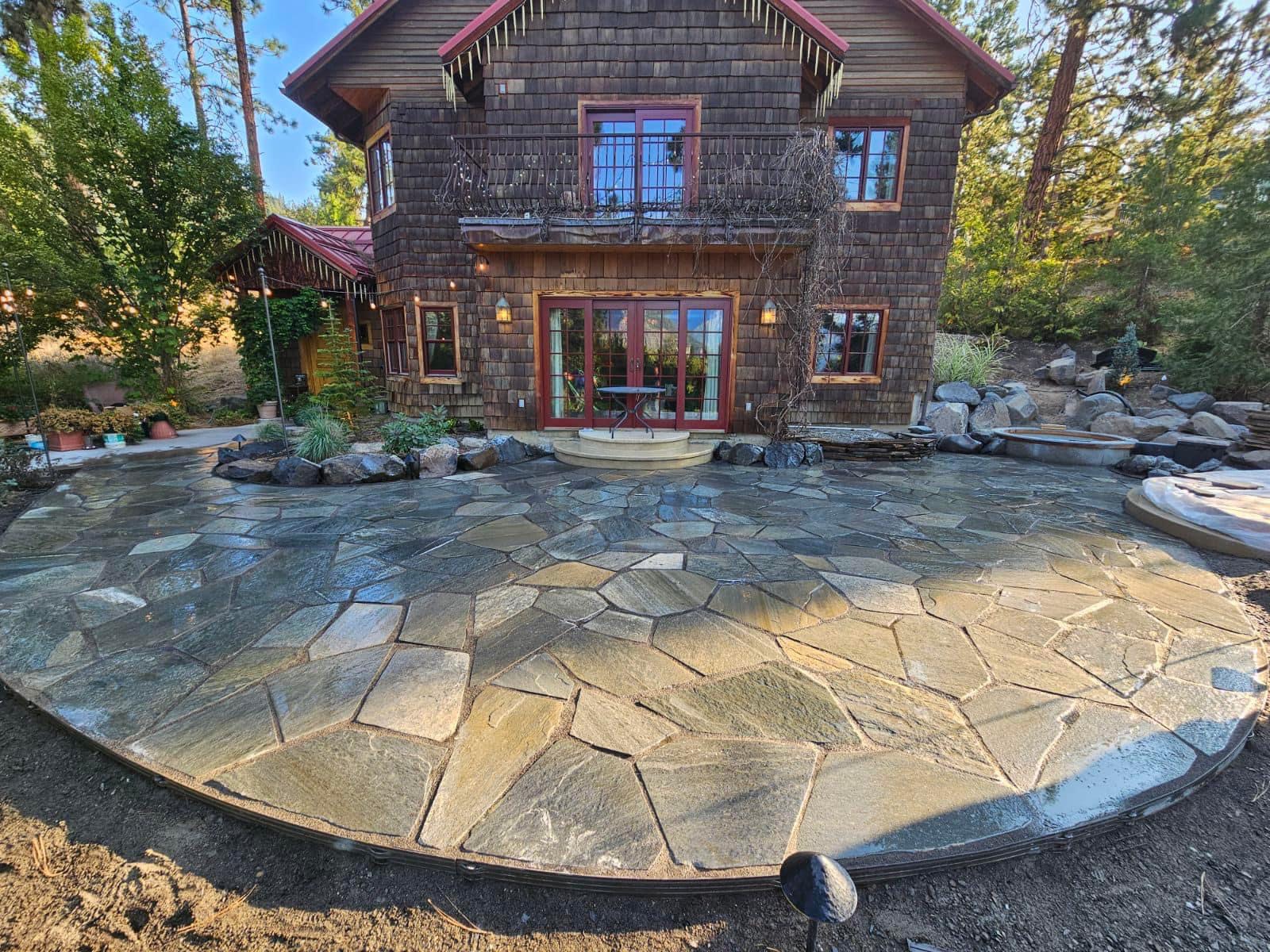
The first step in creating a pathway to perfection is selecting the right material. The choice of material impacts both the look and longevity of your walkway. Natural stone, brick, and concrete pavers are popular choices, each offering unique benefits. Natural stone, for example, exudes timeless elegance and blends seamlessly into natural settings. Brick provides a classic charm and is highly durable but requires regular maintenance to keep looking its best. Meanwhile, concrete pavers come in various shapes, sizes, and colors, providing flexibility to match any design aesthetic. Considering the environmental conditions and foot traffic of the intended area can guide you towards making the most suitable choice.
Once the material is selected, the next consideration is the layout. Designing an outdoor walkway involves more than deciding where the path will lead. The shape—whether straight, curved, or zigzagged—and the width should complement the overall landscape design while serving its intended purpose. A meandering path adds intrigue and interest, particularly in larger gardens, creating a journey through your outdoor space. Conversely, a straight path can offer a formal, direct route suitable for a more structured garden design. For heavy traffic areas, ensure the path is wide enough for two people to walk side by side comfortably.
Incorporating edging into your walkway design not only ensures the structural integrity of the path but also provides an opportunity to add aesthetic elements. Metal, stone, and plastic are common edging materials that help keep pavers in place and prevent overgrowth. Choosing an edging that contrasts with your walkway material can add a dramatic flair to your path, creating a striking visual distinction that enhances the design.
Lighting is another crucial element that often goes unnoticed. Adequate pathway lighting can transform your walkway into a captivating feature at night, ensuring both safety and beauty. Whether utilizing solar-powered lights, embedded LEDs, or lanterns positioned strategically along the path, the right lighting can create a warm, inviting atmosphere and highlight key features of your garden landscape.
Finally, maintenance should not be an afterthought. Regular upkeep ensures your walkway remains a beautiful and functional part of your landscape. This includes clearing debris promptly, checking for any paver shifts, and addressing any drainage issues that may arise. Planning for seasonal changes can also prevent weather-related damage, ensuring your walkway stands the test of time.
In conclusion, designing an outdoor walkway involves careful selection of materials, thoughtful layout planning, and attention to detail in both construction and maintenance. At Outdoor Assassins LLC, we prioritize crafting paths that perfectly balance elegance with practicality, creating walkways that are not only visually appealing but also durable and functional. By following these guidelines, you can enhance your outdoor space, guiding guests through your landscape with style and grace. Trust in our expertise to help you create pathways that lead to perfection in every step.
/filters:no_upscale()/filters:format(webp)/media/88c96035-b691-415b-b436-10a7f56283a5.jpeg)