Garden Geometry: Innovative Uses of Shapes and Lines in Landscaping Jul 20, 2026
The connection between geometry and landscaping is a timeless one, where the interplay of various shapes can create visual harmony and flow. Whether you are intrigued by the classic appeal of circles and squares or consider the more modern allure of angles and curves, understanding how these shapes interact is fundamental. Every line and form in a garden design lays the groundwork for how users experience the space, encouraging movement and exploration.
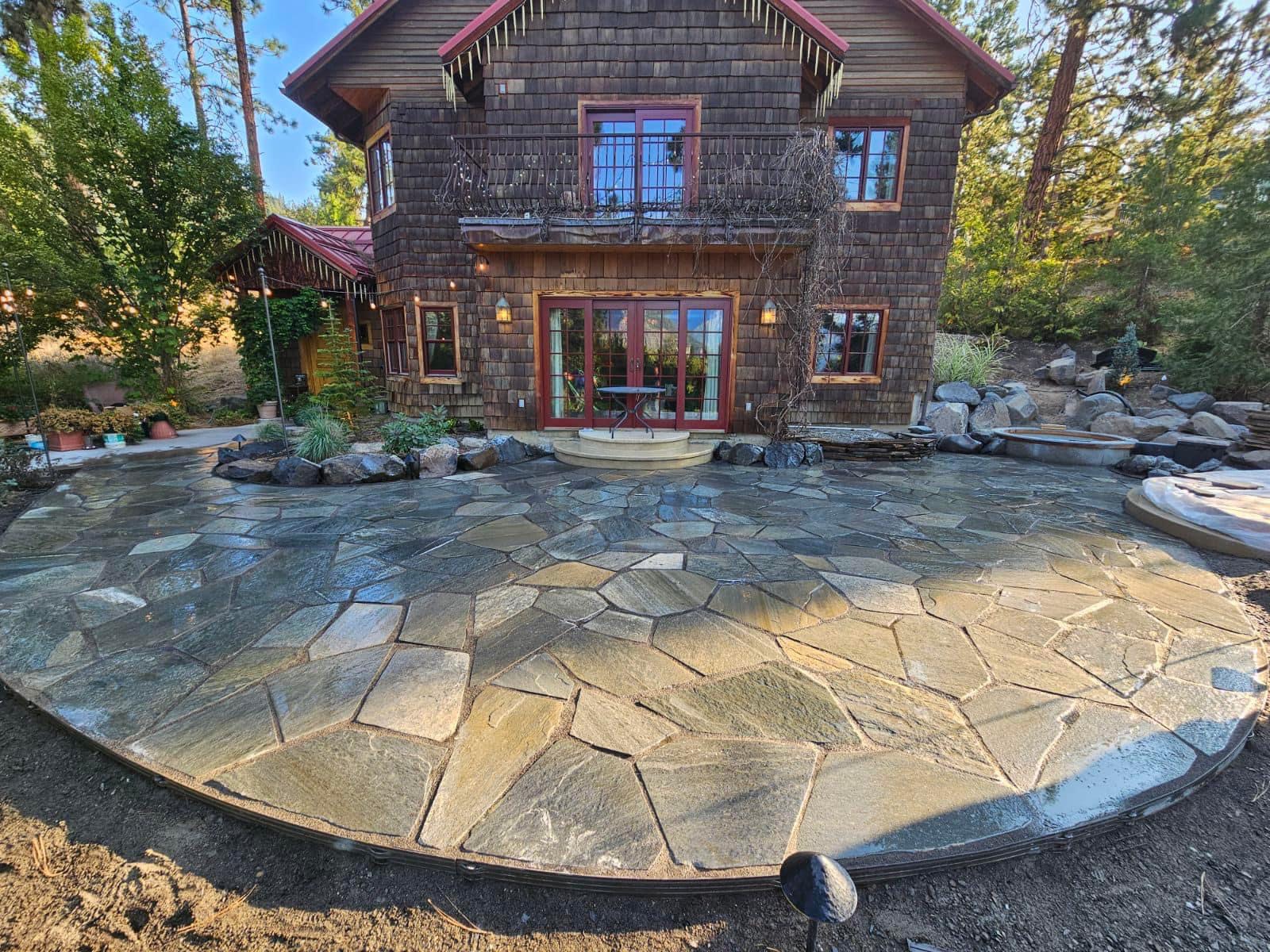
Let's delve into the primary geometric elements that can enhance any landscape design. Curves add fluidity and can break up the rigidity of rectangular spaces, providing a sense of relaxation and reducing tension. Incorporating curves can lead visitors through your garden naturally, inviting them to wander and discover hidden nooks or focal points. This technique is particularly beneficial in small gardens, where curved lines can create an illusion of a larger space.
Rectilinear designs, on the other hand, emphasize strength and order. They embody the classic look many homeowners admire and work well in formal garden settings. Straight lines and right angles can be used to define areas such as patios and pathways, providing a sense of structure that complements modern garden aesthetics. Such configurations allow for efficient use of space, making rectilinear designs ideal for multi-functional spaces.
Circles, among the most popular garden geometry elements, can serve as striking focal points. Whether as a centralized feature like a pool or a round flower bed, circles draw attention and create balance. By using circles, you can also soften the look of more rigid garden designs, inviting a cohesive interaction between different areas.
In addition to these basic shapes, triangles and polygons can introduce dynamism and complexity to landscaping. Triangular plant beds or paving stones create interesting perspectives and layers, adding depth to otherwise flat landscapes. Skilled arrangement of these shapes can make subtle statements and promote a playful yet calculated atmosphere.
Color and texture also play significant roles in highlighting these geometric forms. Brightly colored plants or textured materials like stone and wood can accentuate shapes, increasing their impact. By combining these elements, your landscape can communicate a cohesive story, reflective of personal taste while enhancing both visual and functional appeal.
Finally, geometry in landscaping is not just about aesthetics; it is deeply practical. Correctly placed pathways ensure accessibility, while well-defined spaces cater to recreational activities and maximize utility. Implementing geometric principles provides a structured template that makes maintenance and future modifications straightforward.
At Outdoor Assassins LLC, our expert team appreciates how innovative uses of geometric forms in landscaping can revolutionize your outdoor living experience. By incorporating these principles, we can create landscapes that are not only beautiful but also serve as an extension of your home, tailored uniquely to your needs and preferences. Whether you're dreaming of a serene retreat or a vibrant social space, the power of geometry in landscaping can help make that vision a reality.
/filters:no_upscale()/filters:format(webp)/media/88c96035-b691-415b-b436-10a7f56283a5.jpeg)