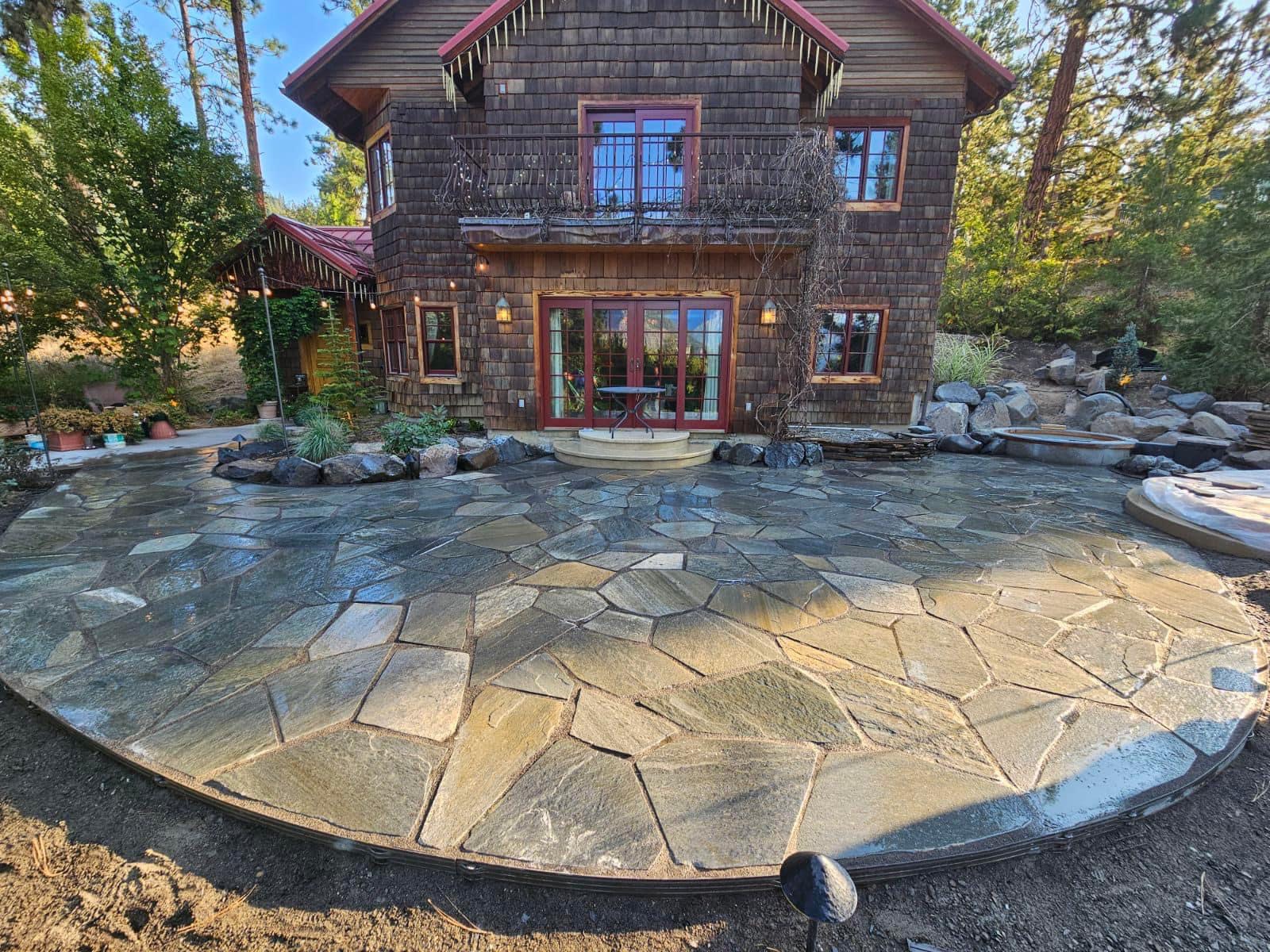
Enchanting Ecosystems: Crafting Self-Sustaining Garden Habitats Sep 02, 2026
To begin your journey towards an enchanting ecosystem, understanding your local environment is crucial. Assess your garden’s existing condition, noting soil composition, sunlight exposure, and prevailing weather patterns. This foundational knowledge allows you to select plants and materials that will naturally prosper in your climate zone.
Native plants should be the cornerstone of your sustainable garden. These species are adapted to your local environmental conditions, making them resilient to pests and weather challenges. Moreover, they require less water and fertilizers once established, reducing your garden’s ecological footprint. Consider integrating a mix of trees, shrubs, and perennials to create diversity and thrive in varied niches of your garden space.
Water conservation is a crucial element of a self-sustaining garden habitat. Implementing a rainwater collection system or installing drip irrigation can significantly reduce water usage while maintaining plant health. Choosing drought-tolerant plants further conserves resources and ensures your garden remains lush during dry periods. These smart irrigation techniques not only support sustainability but also lower maintenance demands on your part.
Incorporating composting into your garden ecosystem recycles nutrients back into the soil, reducing the need for chemical fertilizers. Regularly adding organic matter such as leaves, grass clippings, and kitchen waste invigorates soil microorganisms that break down materials, improving soil fertility over time. Healthy soil paves the way for robust plant growth, supporting the entire ecosystem.
In a self-sustaining garden, creating habitats for wildlife is just as important. Consider installing birdhouses, bat boxes, and bee hotels to encourage beneficial creatures to make a home in your garden. Pollinators like bees and butterflies play an essential role in plant reproduction, ensuring the flourishing of your garden’s flora. Birds and bats help keep pest populations in check, maintaining a balanced ecosystem.
Mulching is another practice that contributes to garden sustainability. Applying organic mulch such as wood chips or straw can help retain soil moisture, suppress weed growth, and eventually decompose into the soil, enhancing nutrient levels. By preventing soil erosion and reducing the need for watering and weeding, mulching streamlines garden maintenance and promotes ecological balance.
Diversifying plant selection is key to a resilient garden. Mixing various plant types and species reduces vulnerability to disease outbreaks and pest invasions. Companion planting is a strategic approach that uses natural plant relationships to benefit your garden. For instance, planting marigolds alongside vegetables can deter certain pests, enhancing the health of your crops.
Finally, patience and observation are essential as your garden grows and adapts. Monitor how plants interact, adjust elements as necessary, and continue learning about sustainable practices. With time, your ecosystem will become a robust living tapestry, bursting with beauty and biodiversity.
At Outdoor Assassins LLC, we are passionate about empowering you with knowledge and services to create environments that invigorate life. Our landscaping services are designed to transform your garden into a self-sustaining showcase of nature’s wonder, ensuring a harmonious coexistence between human habitat and natural ecosystems. Whether you're an enthusiast or a novice, with careful planning and commitment, your garden can become an enchanting ecosystem that attracts admiration and wildlife alike.
/filters:no_upscale()/filters:format(webp)/media/88c96035-b691-415b-b436-10a7f56283a5.jpeg)