Eco-Conscious Landscaping: Balancing Beauty with Sustainability Feb 22, 2026
Eco-conscious landscaping is about creating outdoor environments that are not only aesthetically pleasing but also environmentally responsible. This approach involves thoughtful plant selection, responsible water management, and minimal chemical use, among other practices. It not only benefits the planet but also enhances the longevity and resilience of your garden.
One of the fundamental principles of sustainable landscaping is the use of native plants. Native plants are adapted to the local climate and soil conditions, making them easier to maintain and less reliant on additional watering or fertilizers. By choosing local flora, you can reduce the need for chemical interventions and create a habitat that supports local wildlife, thereby promoting biodiversity.
Water conservation is another crucial element of eco-conscious landscaping. Traditional lawns often require excessive watering, especially in dry climates. By implementing xeriscaping techniques, you can significantly reduce water use. This method involves selecting drought-resistant plants and utilizing efficient irrigation systems like drip irrigation. Additionally, rainwater harvesting systems can further enhance your garden's sustainability by capturing and reusing rainwater.
Composting is a powerful tool for any eco-conscious landscaper. By composting kitchen scraps and yard waste, you create a natural fertilizer that enriches the soil without the need for synthetic products. This practice not only reduces waste but also contributes to a healthier, nutrient-rich garden.
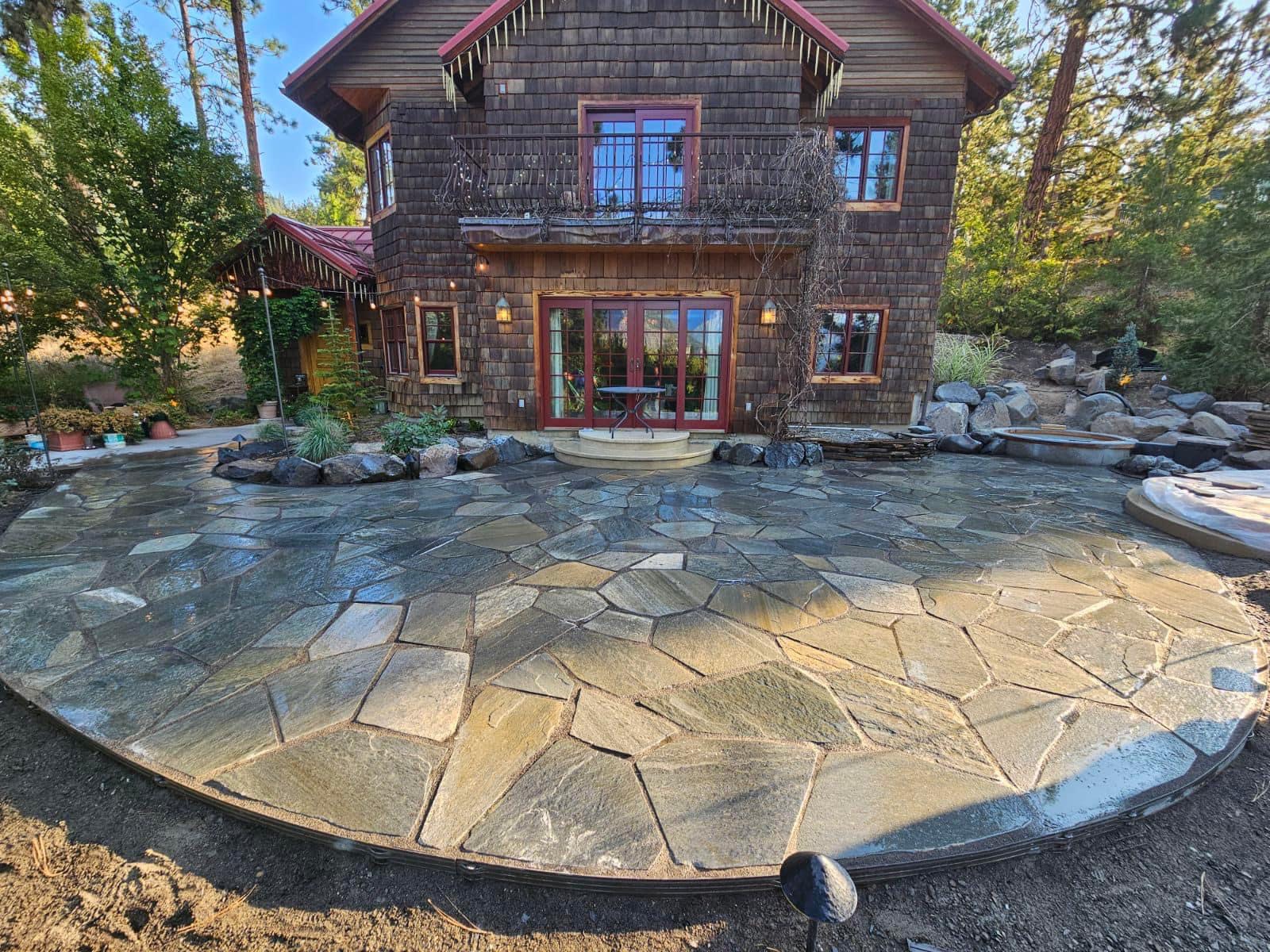
The design of a sustainable landscape often incorporates hardscaping, using materials like stone, brick, or permeable pavers to create paths and patios. These materials allow rainwater to percolate through, reducing runoff and erosion. Choosing locally sourced and sustainable materials minimizes the carbon footprint associated with transportation and supports the local economy.
Another aspect to consider is the use of renewable energy sources. Installing solar-powered garden lights or water features is a great way to reduce reliance on non-renewable energy. Solar energy is a clean, renewable power source that can significantly decrease the environmental impact of garden lighting and decorative features.
Chemical use in gardening, such as pesticides and herbicides, is a concern for any eco-conscious gardener. Integrated Pest Management (IPM) is an approach that minimizes the need for chemicals by combining biological, cultural, and physical control methods to manage pest problems. Planting a variety of species can also naturally deter pests and diseases, promoting a balanced ecosystem in your garden.
At Outdoor Assassins LLC, we are committed to helping you achieve a stunning outdoor space that respects the planet. By choosing eco-conscious landscaping practices, you not only contribute to environmental conservation but also enjoy a garden that is unique, resilient, and self-sustaining. Whether it's through selecting native plants, conserving water, or reducing chemical use, the steps towards a more sustainable garden are both practical and rewarding. Embrace the beauty of nature in an environmentally responsible way and let us help you create a landscape that is both beautiful and sustainable.
/filters:no_upscale()/filters:format(webp)/media/88c96035-b691-415b-b436-10a7f56283a5.jpeg)