Designing for Diversity: Embracing Multifunctional Outdoor Spaces May 27, 2026
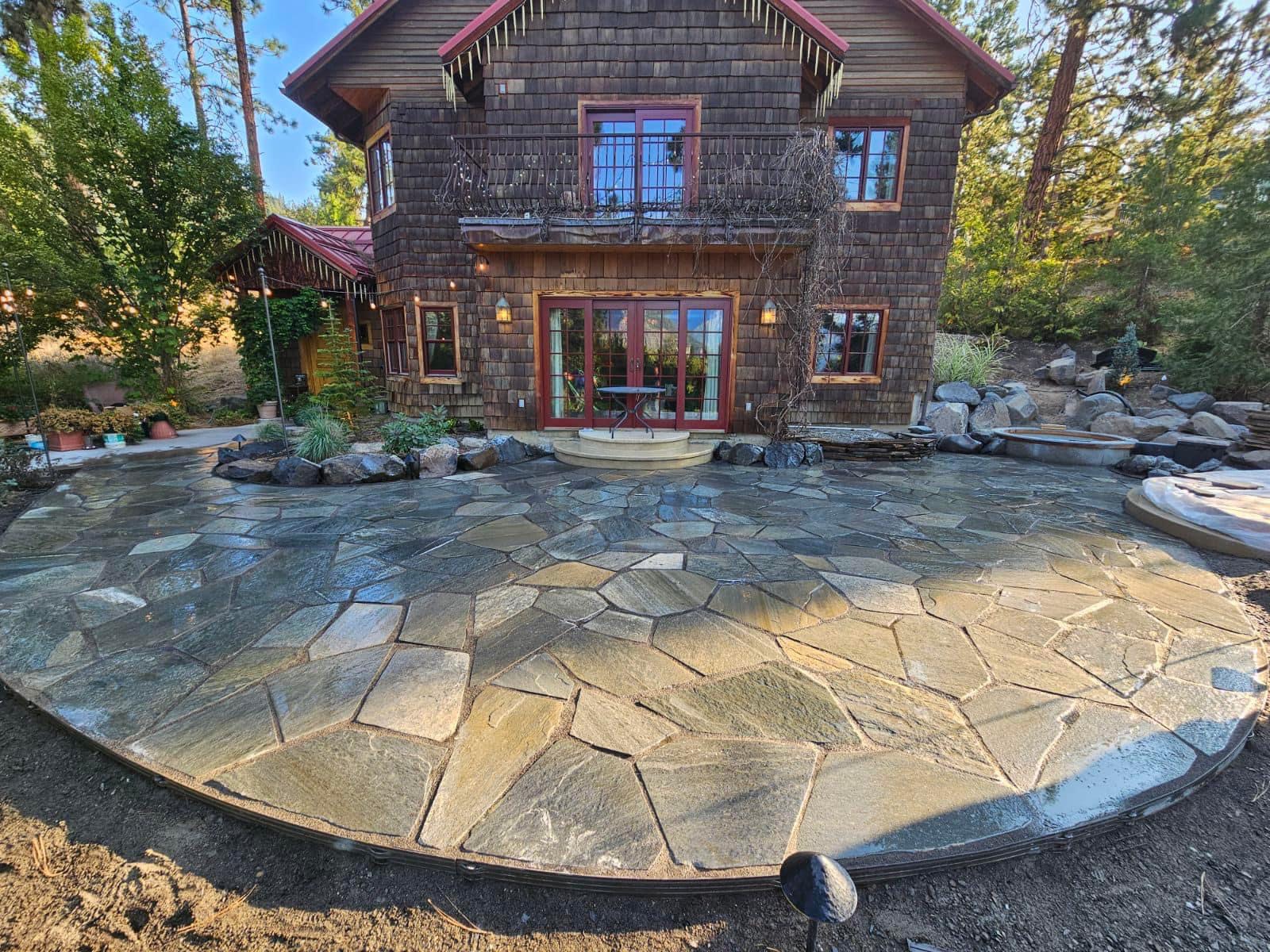
To start, envision your outdoor space as an extension of your indoors, offering seamless interactions between the two. This approach enables homeowners to maximize their usable area year-round. Transition spots such as patios, decks, and balconies are ideal for enhancing this connectivity. Consider installing sliding glass doors that blend your interior with the exterior. Not only does this promote a sense of unity, but it also extends the living area into the outdoors, allowing for both relaxation and entertainment.
Incorporating diverse elements is key to a multifunctional landscape. Begin by defining distinct zones within your yard. For instance, dedicate one area as a tranquil retreat complete with comfortable seating and lush greenery. Fill another section with amenities like a fire pit or an outdoor kitchen to create a lively gathering spot for social events. This zoning strategy ensures your outdoor space serves varied activities without feeling cluttered. Each area should have its own character but integrate within the overall design for cohesiveness.
Another essential aspect to consider is the choice of plants and materials. Diversity in vegetation—not only in types but in seasonal appearances—ensures your landscape offers year-long interest. Select native plants to enhance local biodiversity, reduce maintenance, and support wildlife. Meanwhile, materials such as gravel pathways, wooden decks, and stone retaining walls add texture and depth, providing functional durability while complementing the aesthetic appeal.
Water features are another element that can enhance multifunctional spaces. A simple pond or cascading waterfall offers a soothing focal point, providing both visual and auditory enjoyment. Additionally, features like a small pool or spa can turn a portion of your landscape into a personal retreat, merging leisure with natural beauty.
Lighting also plays a pivotal role in transforming outdoor areas. Effective lighting design can create ambiance, promote safety, and extend the use of space into the evening. Use a combination of path lights, accent lights, and spotlights to enhance key features and ensure easy navigation after sundown.
Moreover, sustainability is increasingly important when designing outdoor areas for today's environmentally-conscious homeowners. Integrating green technology such as solar-powered lights or rainwater harvesting systems can significantly reduce your landscape's ecological footprint. Compost areas or rain gardens can also be introduced to make your outdoor space more sustainable, demonstrating a commitment to eco-friendly practices without sacrificing functionality or beauty.
In conclusion, designing multifunctional outdoor spaces involves strategic planning and creative thinking. The aim is to create environments that cater to a variety of activities while maintaining an aesthetically pleasing and sustainable landscape. At Outdoor Assassins LLC, we specialize in transforming basic yards into dynamic landscapes that meet your diverse needs. By embracing versatility and considering elements such as zoning, diverse planting, and sustainable practices, you can enjoy a vibrant outdoor living area that truly enriches your home. Whether you're hosting a lively gathering or seeking a peaceful escape, your multifunctional outdoor space will undoubtedly be the heart of your home.
/filters:no_upscale()/filters:format(webp)/media/88c96035-b691-415b-b436-10a7f56283a5.jpeg)