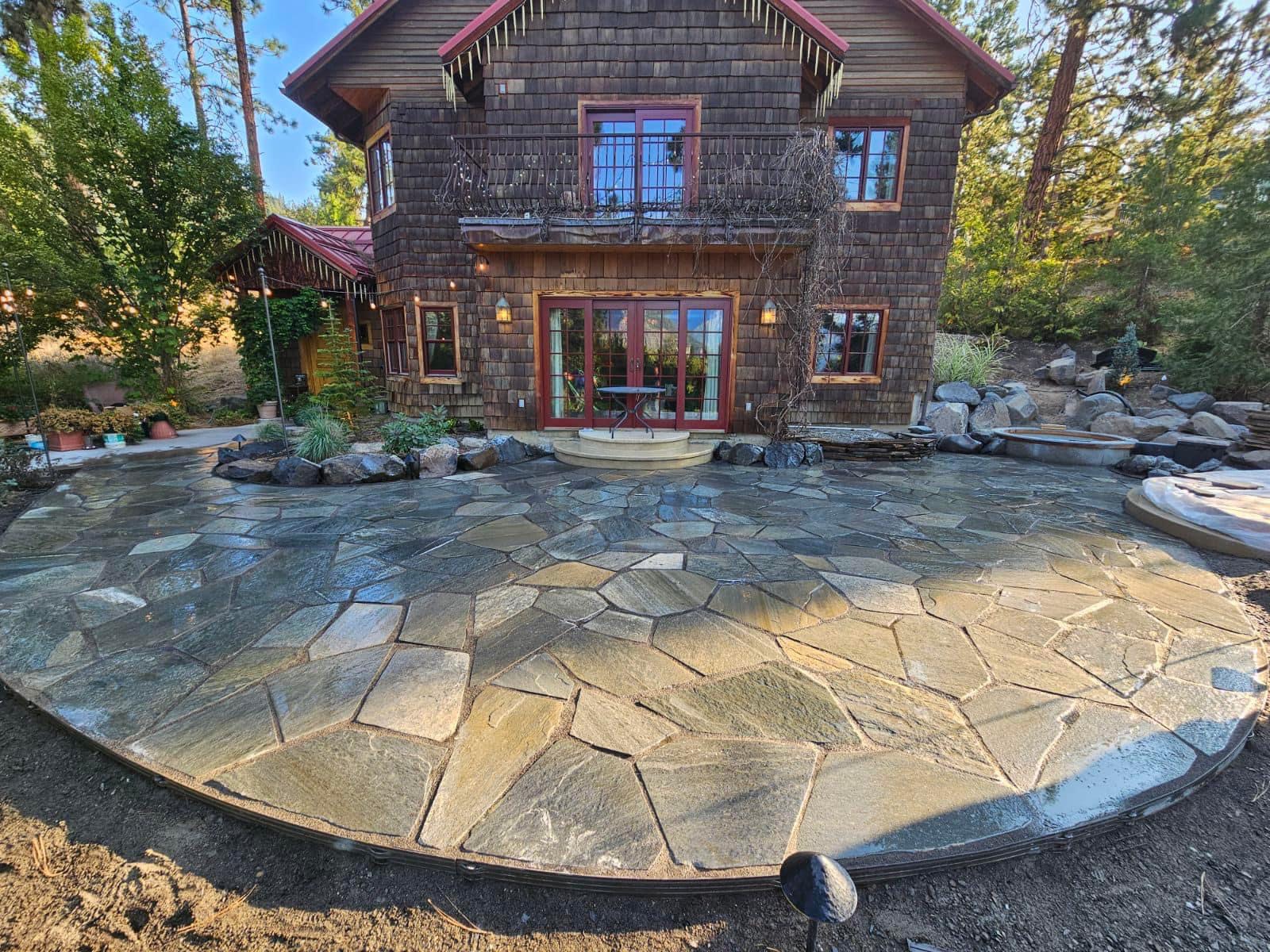
Designing Adaptive Landscape: Solutions for Changing Environments Jul 26, 2026
Adaptive landscapes are an innovative solution for homeowners and businesses looking to maintain attractive outdoor environments that can withstand climate challenges. This design philosophy considers both current environmental conditions and future changes, emphasizing sustainability and resilience. By choosing the right plants and materials and implementing intelligent design techniques, you can create a landscape that thrives in diverse conditions.
One of the foundational elements of adaptive landscape design is selecting native plants. These plants are naturally suited to the local climate and soil conditions, reducing the need for extensive watering and fertilization. Native plants not only enhance biodiversity but also encourage the presence of local wildlife, supporting a healthy ecosystem. At Outdoor Assassins LLC, we recommend working with a local horticulturist to identify species that are both visually appealing and practical for your region.
Another critical component is water management. Implementing efficient irrigation systems, such as drip irrigation or soaker hoses, minimizes water waste while ensuring your plants receive the necessary hydration. Additionally, the use of rain gardens or bioswales can help manage stormwater runoff, preventing erosion and protecting local water sources. These features not only enhance the visual appeal of your landscape but contribute significantly to environmental conservation efforts.
Soil health is another vital aspect of landscape design that often goes overlooked. Healthy soil supports plant growth and resilience by maintaining a balanced ecosystem underground. Outdoor Assassins LLC advises incorporating organic mulches and compost to improve soil fertility and structure. Regular soil testing can also guide in making necessary amendments to enhance its quality over time.
Incorporating flexible design elements is crucial in adaptive landscape planning. This approach allows for adjustments as environmental conditions change. For instance, installing movable garden beds or using modular hardscapes, such as pavers or gravel, enables you to modify the layout with ease as plant needs or weather patterns shift. Such flexibility helps maintain the aesthetic and functional integrity of the space over the long term.
Moreover, technology plays a valuable role in adaptive landscape design. Smart irrigation systems equipped with sensors can adjust watering schedules based on soil moisture levels or weather forecasts. These technologies not only optimize resource use but also provide significant long-term savings on utility costs, making them a wise investment for any environmentally conscious property owner.
In conclusion, designing an adaptive landscape involves thoughtful planning and innovative solutions that enhance the resilience and beauty of outdoor spaces. By selecting the appropriate plants, managing resources wisely, and utilizing technology, you can ensure that your landscape is prepared for any environmental changes. Outdoor Assassins LLC is committed to helping you achieve these goals, providing expert advice and solutions tailored to your unique landscape needs. Whether you are starting from scratch or looking to retrofit an existing design, embracing the principles of adaptive landscape design ensures sustainability and beauty for years to come.
/filters:no_upscale()/filters:format(webp)/media/88c96035-b691-415b-b436-10a7f56283a5.jpeg)